How to Write a Letter to Someone After They're Gone

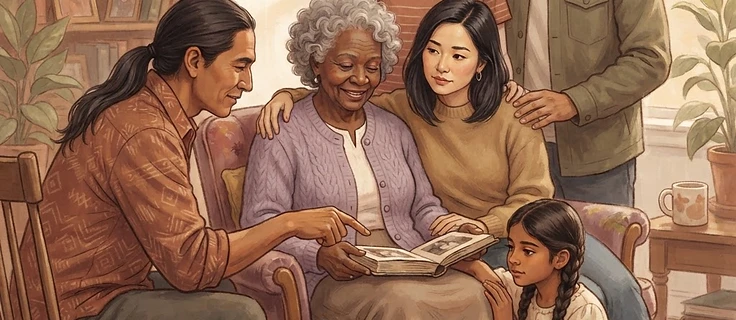
The first letter I wrote to my dad after he died wasn't planned. I was sitting at the kitchen table, missing the way he used to call on Sunday mornings, and I just started writing — not to anyone, not for anyone, just to him. It wasn't eloquent. It was messy and honest and full of things I wished I'd said out loud. But something shifted when I finished. The grief didn't leave, but it had somewhere to go.
If you're thinking about writing to someone you've lost, here's what I've learned from doing it — badly, then a little better — over the last few years.
How do you write a letter to someone who has passed away?
Write honestly without pressuring yourself to be profound — the small, ordinary details like seeing a favorite candy at the store or still reaching for the phone to text them are what actually matter. A memory capsule in Letusallcelebrate can hold this letter alongside a photo or voice note, preserving the message for future reflection.
You don't need to have the right words
The pressure to say something profound is what stops most people before they start. You don't need profound. You need honest. Write the small, unglamorous things: that you saw his favorite candy at the store and almost bought it, that you're angry he missed the wedding, that you still reach for your phone to text her. The ordinary stuff is the stuff that actually matters. It's also the stuff you'll want to remember later.
A few ways to begin
- Pick one specific memory. Don't try to summarize the whole relationship. One afternoon, one joke, one car ride. Start there and see where it goes.
- Tell them what you never said. The thank-yous, the apologies, the things that felt too big to say at the time. A letter after someone's gone is one of the few places that can hold all of it.
- Ask them something. It sounds strange, but writing a question — "What would you have done?" or "Am I doing this right?" — can feel like a conversation, even half of one.
- Write badly. Cross things out. Repeat yourself. A grief letter isn't an essay. It's a door you're leaving open.
You can also write ahead
Here's something I wish I'd understood sooner: you don't have to wait until someone is gone to write the letter. You can write it now, while they're still here, and decide when — or whether — it ever reaches them. That's the idea behind what I built into Letusallcelebrate: you write a message, choose a trusted person to carry it, and it only goes out after you're gone, confirmed by someone who knew you. Nothing sends automatically. A real person always makes the final call.
Whether you write it in a notebook or somewhere it can be kept and delivered later, the point is the same. The words you're afraid to say don't have to disappear with you. They can wait, gently, until the person who needs them is ready to hear them.
Schedule a message for the people who matter most
Set up a Legacy Delivery today — write it when you feel it most, and it waits until the moment you choose. Free to start.
Explore Legacy Delivery